
The Perfect Pair: How Glass and Framing Work Together
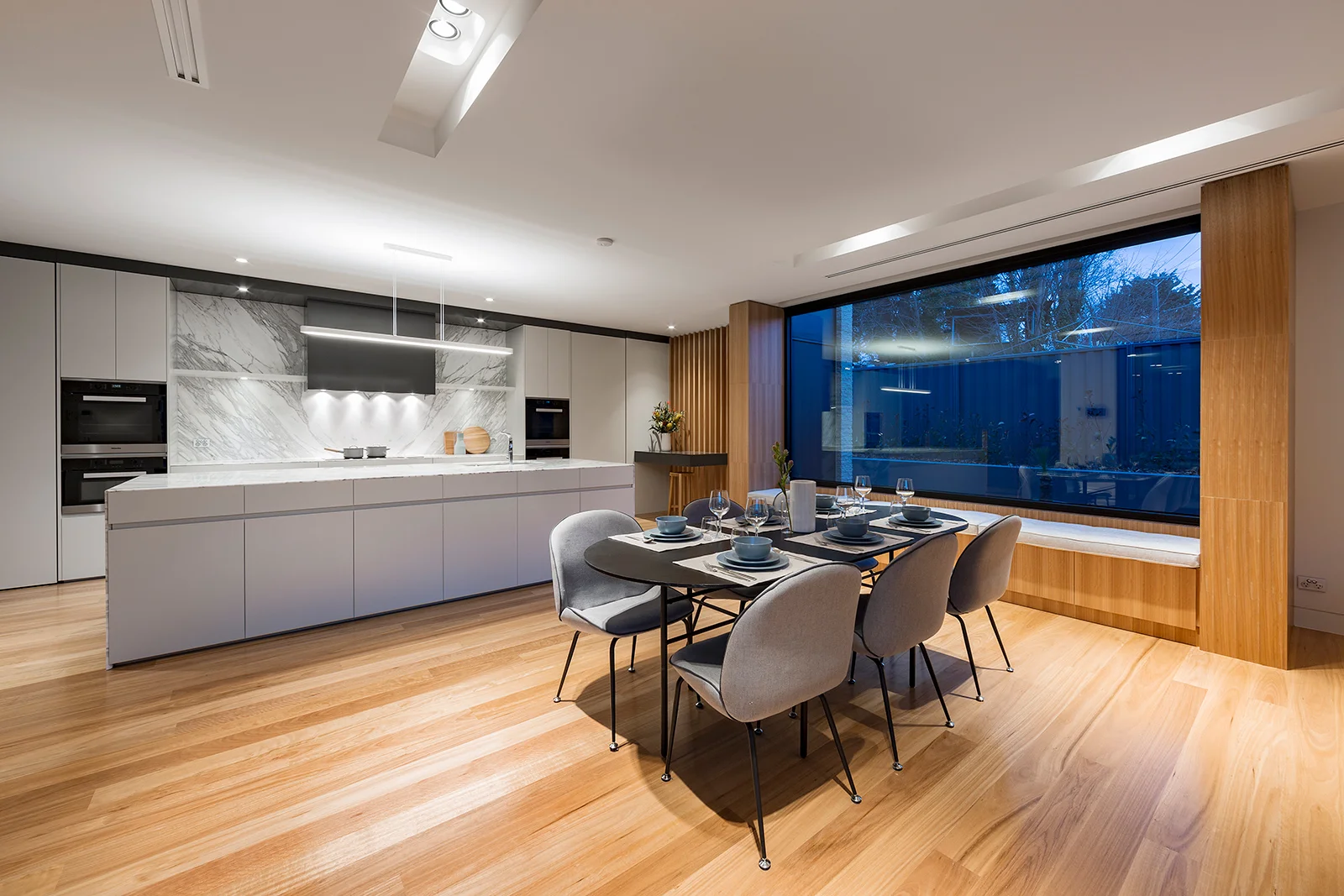
A window is more than the glass you can see. It is a complete system made up of glazing, framing, seals and hardware, with each component contributing to how the window performs. Glass manages factors such as heat, light and sound, while the framing provides structural support, weather protection and the interface between the window and building envelope.
When these elements are selected to work together, a window can support thermal performance, acoustic comfort, weather resistance, functionality and architectural design.
Understanding Glazing Performance
Glass plays a major role in how a window manages heat, light, sound and safety. Different glass types offer different performance characteristics, so the right choice depends on what the building needs to achieve.
Double glazing uses two panes of glass separated by a sealed cavity, typically filled with argon gas. The cavity helps reduce heat transfer through the window and can also improve acoustic performance.
Low-E glass features a microscopic coating that helps reflect radiant heat and reduce UV transmission while maintaining natural light.
Laminated glass consists of two or more panes bonded together with an interlayer. It improves safety by holding broken glass together and can also assist with acoustic performance.
Glass selection is important, but it is only one part of the window system.
Understanding Frame Performance
The frame has an equally important role in how a window performs. It supports the glass, manages air and water infiltration, and influences thermal and acoustic performance through the framing material, seals and overall system design.
Aluminium is widely used for its strength, durability and ability to support large areas of glazing while maintaining relatively slim sightlines. Thermally broken aluminium systems can further improve thermal performance by reducing heat transfer through the frame.
Castle Glazing works across the AWS range, including residential, commercial and thermally efficient systems, allowing the framing solution to be selected around the requirements of the project.
The result is not simply a choice between one type of glass and one type of frame. It is about selecting a combination that works for the building.
One Window, Multiple Outcomes
Take a window designed for a living area with large areas of glazing.
The glass could be selected to help manage solar heat gain, reduce external noise and improve thermal performance. The framing system then needs to support the size and weight of the glass, provide appropriate sealing and weather resistance, and deliver the sightlines and opening configuration required by the design.
Together, those choices influence more than energy efficiency. They can affect:
Thermal Performance and Energy Efficiency
Combining double glazing with thermally efficient framing can help reduce unwanted heat transfer, contributing to a more comfortable indoor environment and reducing reliance on heating and cooling systems.
Occupant Comfort
Comfort is influenced by more than temperature alone. The ability to manage solar heat gain, natural light and external noise contributes to spaces that feel more comfortable throughout the year.
Acoustic Control
Where noise reduction is a priority, laminated or acoustic glazing can be paired with well-sealed framing systems to help minimise external sound entering the building.
Design Outcomes
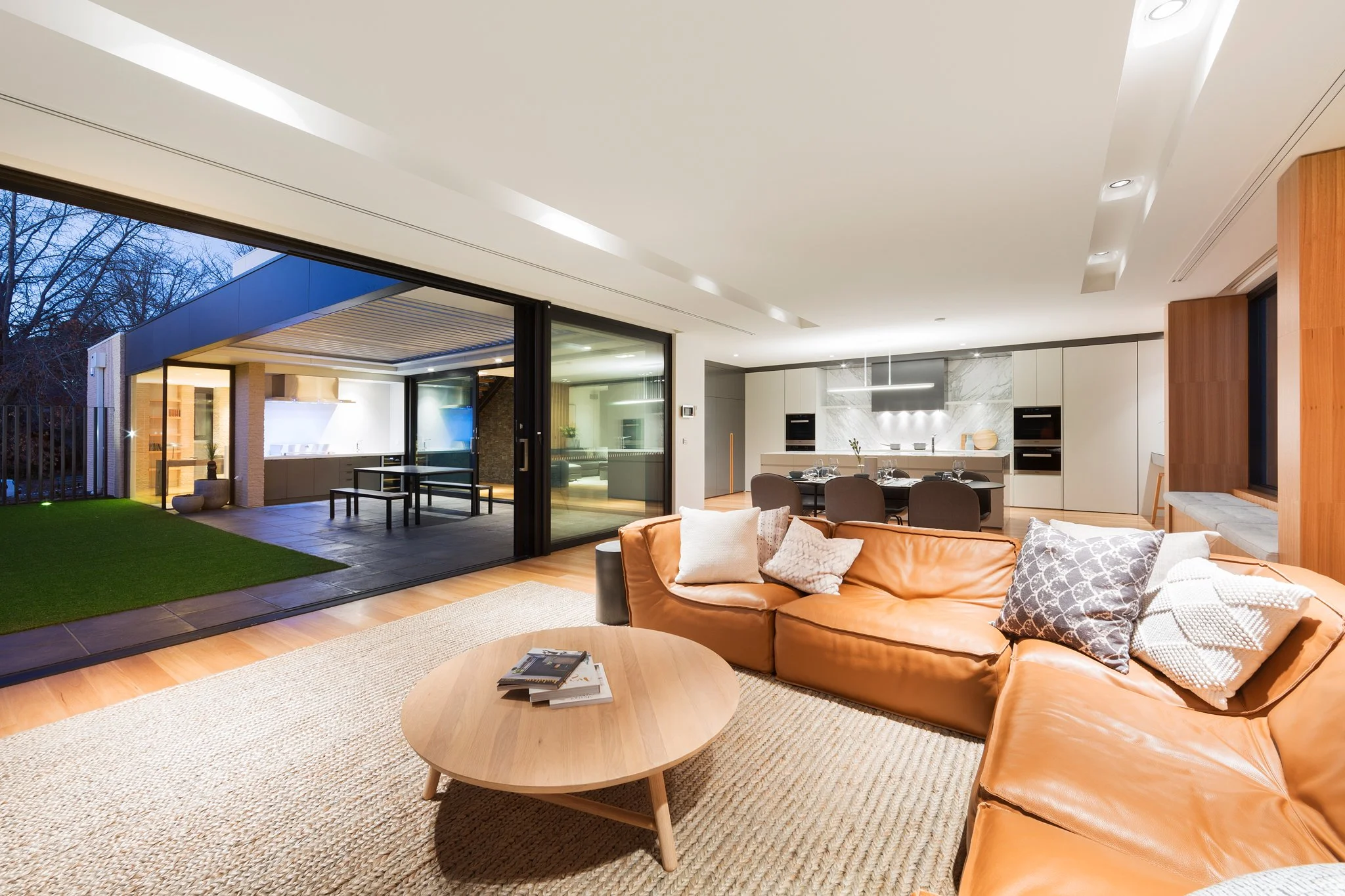
Window systems must also support the architectural vision of a project. The right combination of glass and framing can achieve performance objectives while maintaining desired sightlines, views and proportions.
Why specification matters
There is no single glass or framing combination that suits every project.
The right window system depends on the building, its location, exposure, use and design requirements. Considering the glass, framing and configuration together allows these factors to be balanced from the outset, rather than treating them as separate selections.
For architects, builders and homeowners, good specification is about more than choosing a high-performance glass or a particular frame. It is about selecting a complete window system that is fit for purpose and supports the way the building is designed to look, feel and perform.