
Your Building Is Leaking And Canberra’s Winter Is About To Prove It
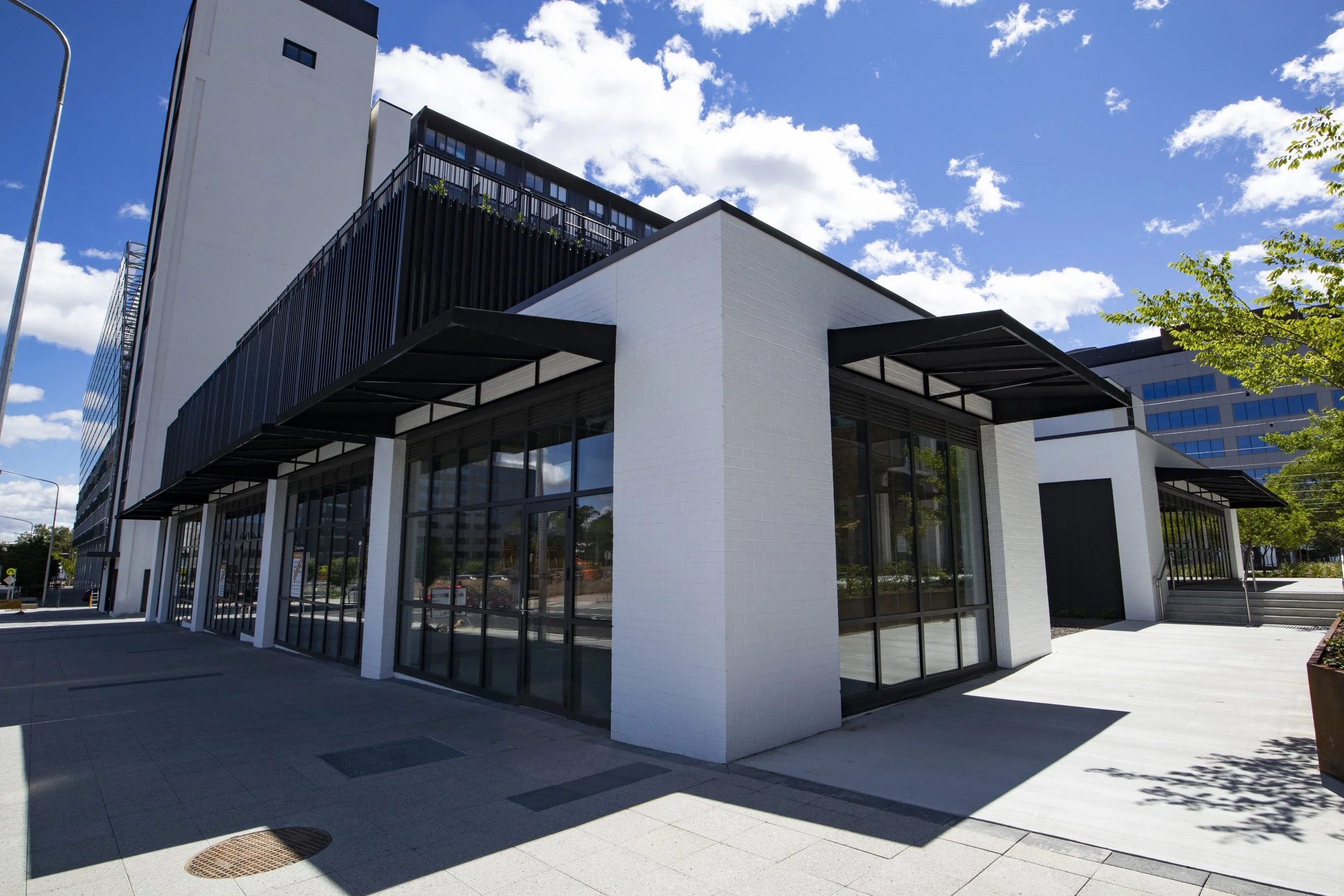
It is already cold in Canberra. May has arrived and anyone managing a commercial building across the ACT is about to find out exactly how well their building envelope performs. For many, the answer will come in the form of energy bills, uncomfortable occupants, and drafts that no amount of heating seems to fix.
The underlying cause is almost always the same: poor air tightness.
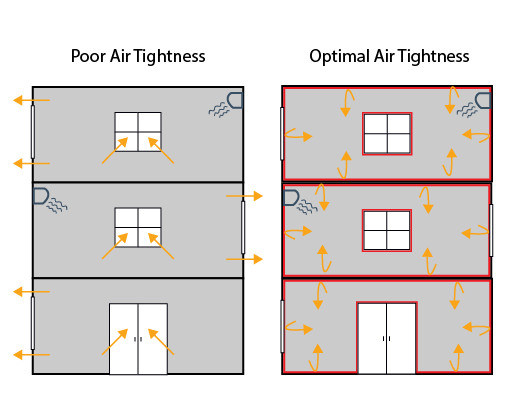
What does ‘Air Tightness’ actually mean?
Air tightness describes how well a building's outer shell resists uncontrolled air movement. Air infiltration through cracks, gaps and poorly sealed joints increases heating and cooling costs, drives moisture into the building fabric, and directly undermines occupant comfort. It is also one of the better indicators of overall build quality.
Buildings that test poorly on air permeability tend to have broader issues in their construction or maintenance that compound over time.
Where do buildings most commonly leak?
Windows and doors are the most vulnerable elements of any building envelope. Air leaks through gaps in window assembly components and where frames meet the surrounding wall. Canberra has a significant volume of public and commercial buildings from the 1970s through to the 1990s, and in these older buildings both failure points are common as original seals age and lose their elasticity.
This is the same for housing in Canberra. Even a well-specified insulated glass unit will underperform if installed into a frame with compromised seals or a poorly detailed wall junction. The glazing unit is only part of the system, and the system is only as strong as its weakest joint.
How air permeability testing works
50 Pa
Standard pressure used in air tightness testing
Air tightness is formally measured through a blower door test, where a building is pressurised to 50 Pascals, the internationally recognised standard for this type of testing, and the resulting air flow rate is measured. The test identifies exactly how much air is moving through the building fabric and produces a precise, comparable figure that building owners and compliance teams can act on.
Zone 7
Canberra's NCC climate zone
For Canberra buildings specifically, this matters more than most. The ACT sits in Climate Zone 7 under the National Construction Code, one of the most demanding cold climate classifications in the country, meaning the performance bar is higher and the cost of falling short is greater.
2
Key leakage points in any glazing assembly
When glazing is the weak point, there are typically two places the test will expose it: gaps within the window assembly itself, and the junction between the frame and the surrounding wall. Buildings with well-installed, properly detailed glazing eliminate both failure points before they become a problem.
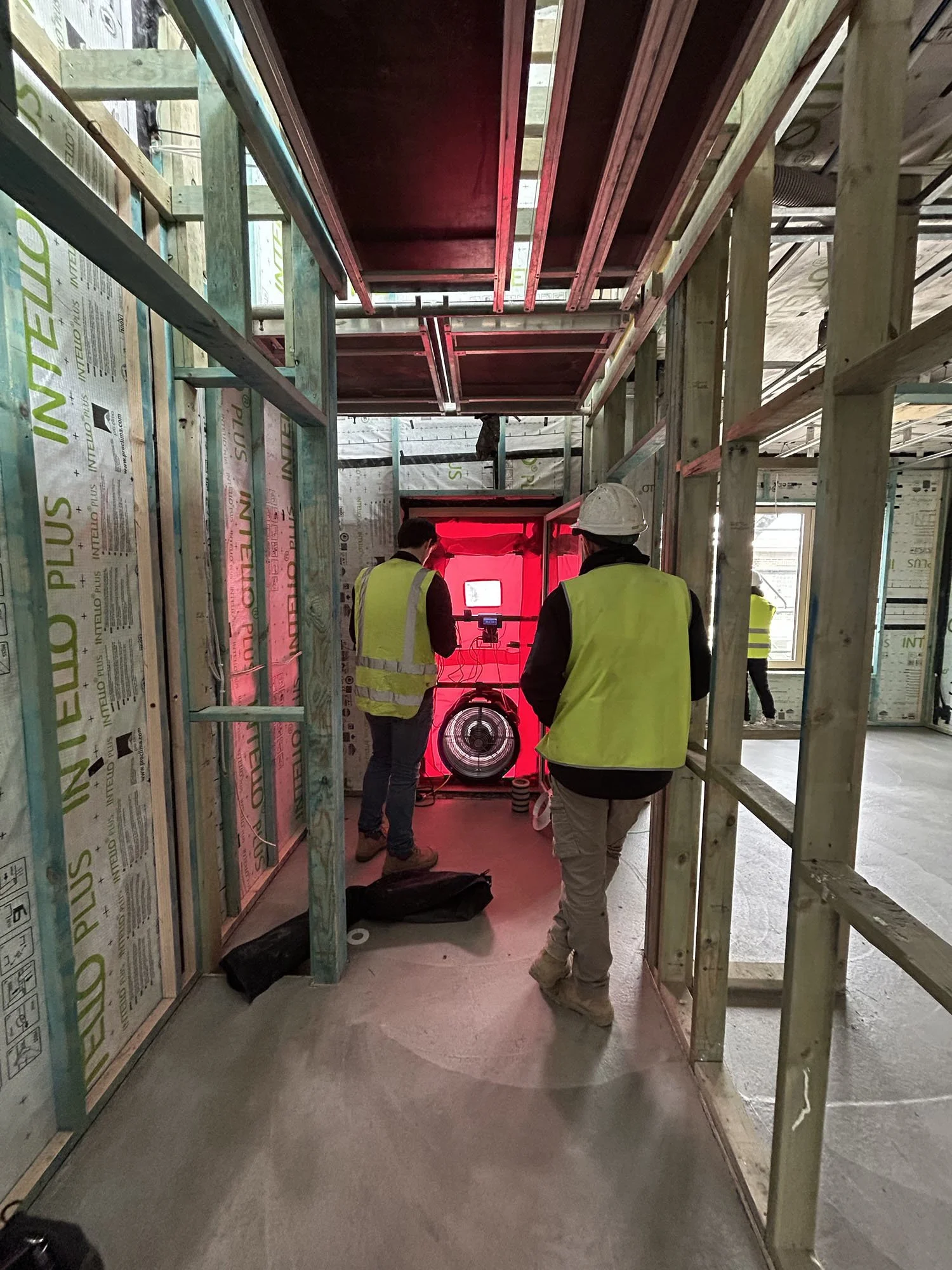
Air Tightness Blower Test
The most cost-effective approach to air tightness is never remediation. It is getting the installation right in the first place. For commercial building owners managing compliance obligations, occupant comfort and long-term operating costs, working with a glazing team that understands the full system is not optional. It is the difference between a building that performs and one that does not.
Castle Glazing ACT brings the experience and attention to detail that commercial and residential clients across Canberra rely on to get this right. From one window to another whole building of windows, every installation is approached with the building's overall performance in mind. When winter arrives, or when a compliance test is scheduled, there are no surprises.
